Why Community Matters More Than Ever Right Now
It’s a Friday and I’m power-walking along the platform at St Pancras, already carrying too much in my head.
Too much to do.
Too many tabs open mentally.
Running slightly late while simultaneously trying to plan next week.
Standard.
By the time I find a seat on the tube, I can feel my heartbeat in my chest. I take a breath and look up for the first time all morning.
(No headphones on the underground is the ultimate mindfulness practice, honestly.)
People are squashed together — scrolling, snoozing, avoiding eye contact. Headphones pressed tightly into ears. The carriage is full, but the atmosphere feels strangely absent. Everyone somewhere else mentally.
It’s not much different above ground either.
People rushing through the streets with Google Maps for company and a personal soundtrack playing in their ears. Eating lunch while answering emails. Walking while voice-noting. Existing in multiple places at once.
And I feel it too.
The urge to instantly check my phone the second there’s silence.
The constant mental to-do list.
The unread messages.
The tabs left open in my brain.
The weight in my shoulders by Friday afternoon.
Sometimes I look around and think:
Surely this isn’t the existence we actually want?
Not because modern life is inherently bad.
But because so many of us seem exhausted by the pace, the noise, the stimulation of it all.
Modern life can feel incredibly disconnected
We’re constantly reachable.
Constantly consuming.
Constantly processing.
And somewhere along the way, togetherness became something we try to squeeze in between exhaustion.
We message constantly, but many of us rarely feel truly met.
We live in a culture that celebrates independence, productivity, coping, self-sufficiency — but I don’t actually think humans are built to do life entirely alone.
I think our nervous systems are quietly craving what many modern spaces no longer offer:
Slowness
Softness
Shared attention
Gentle conversation
Creativity without pressure
Being around other people without needing to perform.
Not necessarily huge friendship groups.
Not loud parties.
Not another networking event.
Just spaces where you can arrive as you are.
Maybe that’s why community matters so much right now.
Not because people are failing.
But because modern life can feel incredibly disconnected, even when we’re surrounded by people.
Why I changed my business to create spaces where you can arrive as you are
Back in 2025, I paused my retreats and spent some time reflecting on what I actually wanted Big Love to be — and more importantly, how I wanted it to feel.
I realised that what people were craving wasn’t just rest, or wellbeing practices, or another workshop to attend.
It was connection.
Not only back to themselves, but to other people too.
When I looked back at my retreats, it wasn’t necessarily the workshops or schedules people remembered most. It was the shared lunches. The conversations afterwards. The circle sharing. Feeling heard. Witnessed. Welcomed exactly as they were.
That was always the heart of it.
And I think that’s what I wanted to continue creating — spaces rooted in the essence of those retreats, but shaped in a way that fits everyday life.
Not performance.
Not fixing people.
Not spaces where you have to become a better version of yourself before arriving.
Just places to exist together again.
Because the truth is, many of us aren’t physically alone, but we still feel isolated.
You can be surrounded by people and still feel unseen.
Connected all day online and still feel disconnected in real life.
And I think the quality of connection matters more than we realise.
Community isn’t just social
Maybe that’s why things like Awe Walks, sober-curious supper clubs, community swims, running clubs and creative gatherings are resonating so deeply right now.
Not because they’re trendy.
But because people are hungry for spaces that feel nourishing.
Spaces where conversation can unfold slowly.
Where nobody needs to perform.
Where your nervous system doesn’t have to stay braced the entire time.
The online practices are still a huge part of Big Love and always will be. They offer a different kind of comfort — a quieter kind sometimes. A home to return to. A reminder that someone notices when you arrive, when you’ve been quiet, when you come back.
And I think that matters too.
Because maybe community isn’t just social.
Maybe it’s regulatory.
Maybe safe, genuine connection is part of how we begin to feel like ourselves again.
That’s really the heart behind Big Love Together.
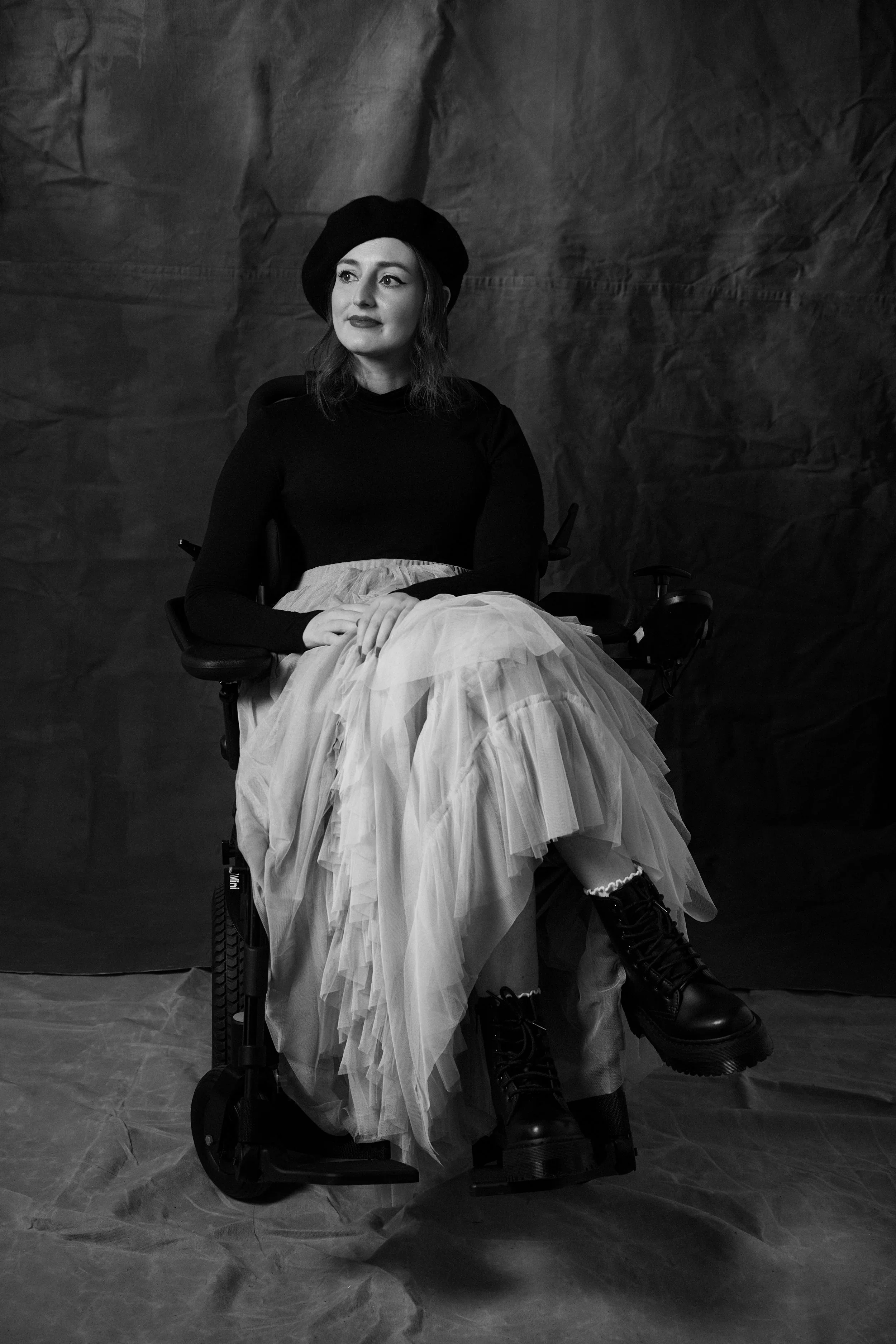
Natalie Bignell, visual artist and creative collaborator, helping shape BLT as an accessible, creative space for connection.
Not just an event.
Not a workshop in the traditional sense.
Not networking.
Not self-improvement disguised as community.
But a gentle gathering built around the things that help people feel human again.
A little creativity.
Fresh air.
Shared food.
Slower conversation.
Moments of pause.
A chance to notice yourself and the people around you.
Our first BLT gathering brings all of those threads together through a fully-accessible “stroll or roll” through nature, simple guided breathwork for everyday nervous system support, a relaxed creative practice led by tetraplegic artist, Natalie Bignell, and time to simply eat, wander, talk, and exist together without pressure.
No ice breakers.
No forced vulnerability.
No expectation to be anything other than yourself.
Just a softer kind of togetherness.
This is a gentle invitation to join us for a seasonal gathering of shared community, creativity and wellness. For now, I hope this has inspired you to seek spaces that nourish you and communities that help you flourish.
Big love,
Becki
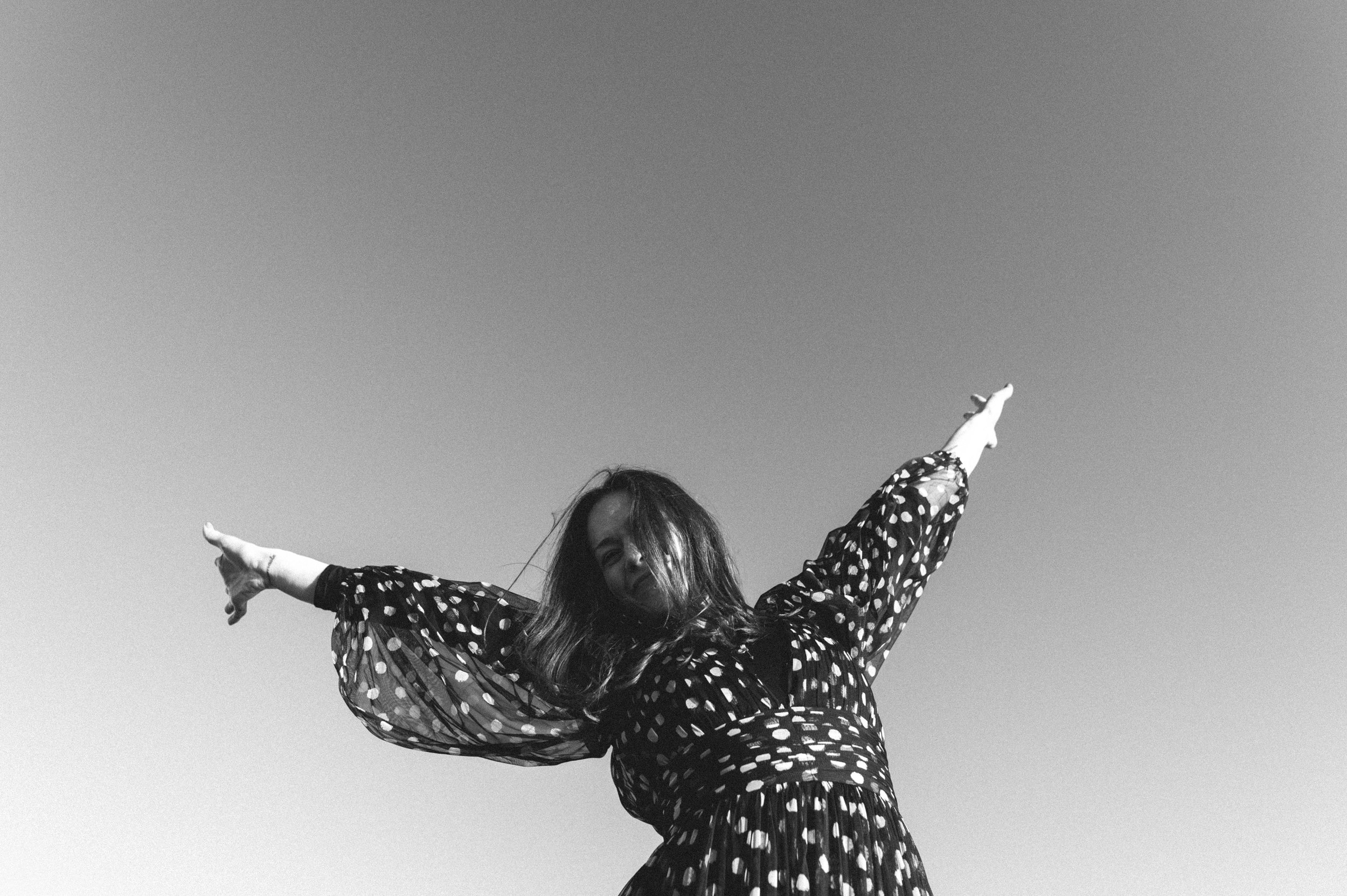
Becki-Marie, founder of Big Love and facilitator of gentle gatherings rooted in connection, community, and wellbeing.